
Rollbacks to purported ecosystem and community protections are cause for serious concern – and further proof that this bill sells out coastal communities. Don’t Cage Our Oceans, a national coalition of 65+ member groups, strongly opposes the latest version of the Marine Aquaculture Research for America (MARA) Act. Introduced quietly in the House in July 2026, this revised bill (H.R. …
🎥: Behind Cooke Aquaculture’s Salmon Pens in Maine
Click the red play button on the video still to play the video. In this short video, bags of fish feed are headed for Cooke Aquaculture’s massive open-ocean salmon pens off the coast of Maine. The pens sit between Black Island and Swan’s Island, just south of Mount Desert Island — home to Acadia National Park. Industrial finfish aquaculture is …

The Fish Farm Industry Wants Farmers on Its Side. Here’s Why Many Aren’t Convinced.
In a guest commentary for the Columbia Missourian, Tim Gibbons, executive director of the National Family Farm Coalition, responds to claims by the industrial aquaculture industry that offshore fish farming will create new markets for soy and corn and help revive rural economies. He argues that: Read the full commentary to learn why farmers aren’t buying the fish farm industry’s …
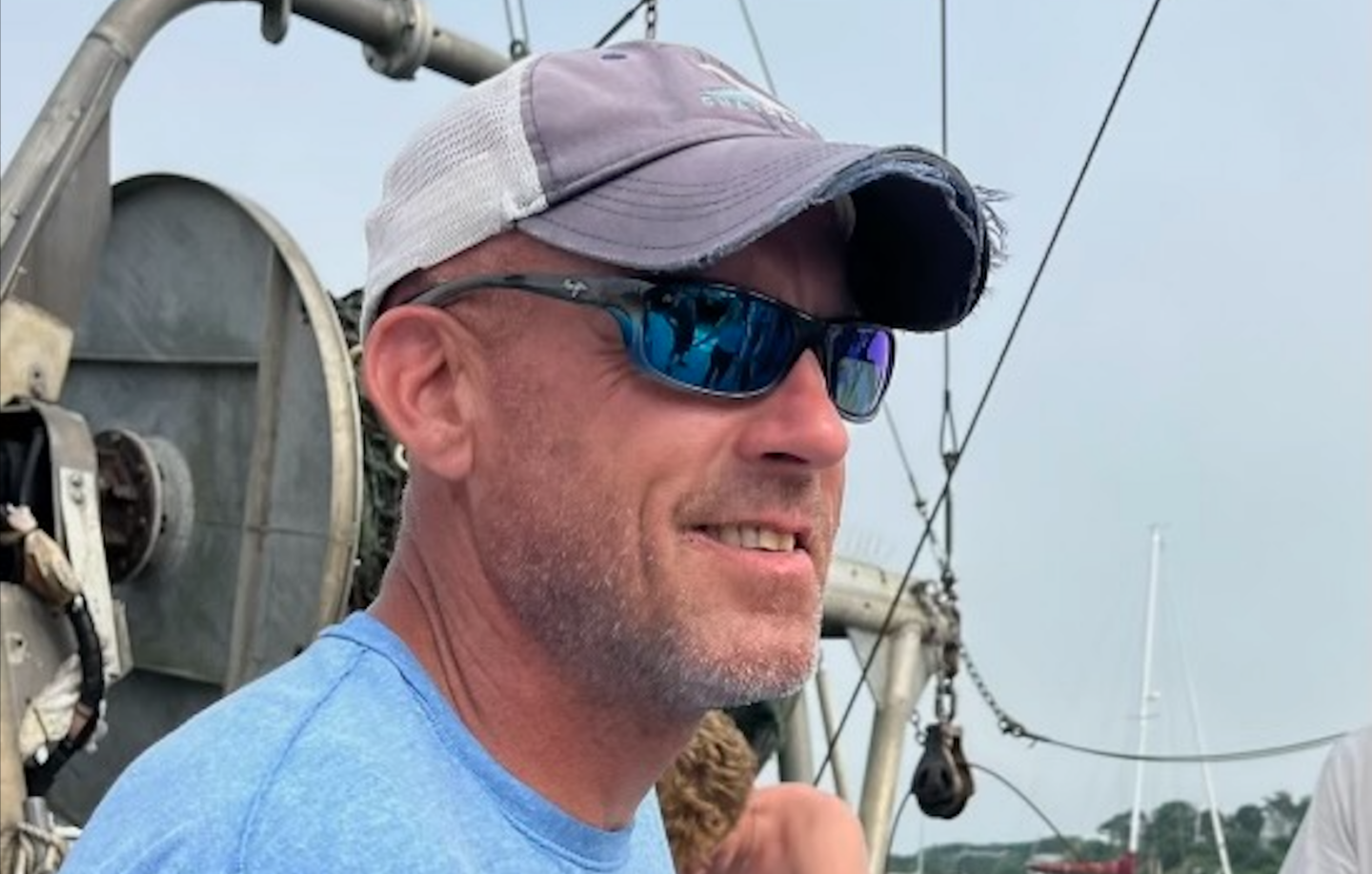
New England Fisherman Sounds Alarm on MARA Act
In a powerful op-ed for The Progressive, longtime New England fisherman Doug Feeney shares his personal journey from the collapse of the cod industry to rebuilding a community-based seafood system — and warns that Congress could undo that progress. Drawing on decades on the water, Feeney argues that the Marine Aquaculture Research for America (MARA) Act would open U.S. oceans …
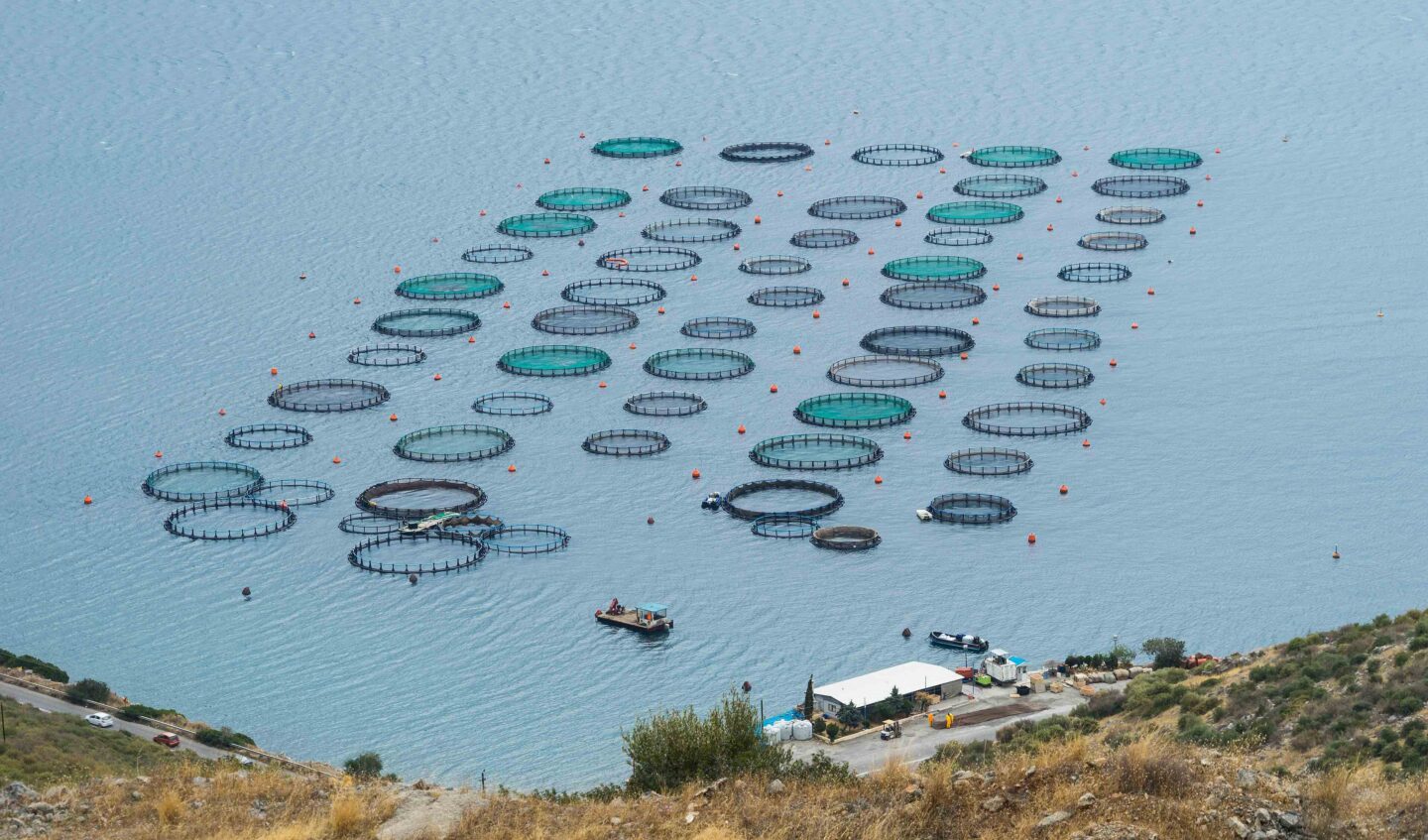
What the MARA Act Means for Offshore Fish Farming and U.S. Fisheries
A new explainer from FoodPrint describes how the Marine Aquaculture Research for America (MARA) Act would fast-track offshore, commercial fish farms in U.S. waters under the premise of “research.” It outlines how the bill would worsen environmental harms, expand industrial seafood production, and use public resources rather than supporting America’s current fishing communities. The piece also highlights how these projects …
Op-Ed Warns: AI in Agriculture and Aquaculture Expands Corporate Control
A new op-ed in Civil Eats by Anthony Pahnke and Jason Jarvis argues that the push for AI in industrial agriculture and aquaculture is being framed as a solution to feed the world. Yet, it ultimately expands corporate control over food systems. The piece highlights how these technologies can deepen farmer dependence on corporations, displace workers, and expand industrial fish …
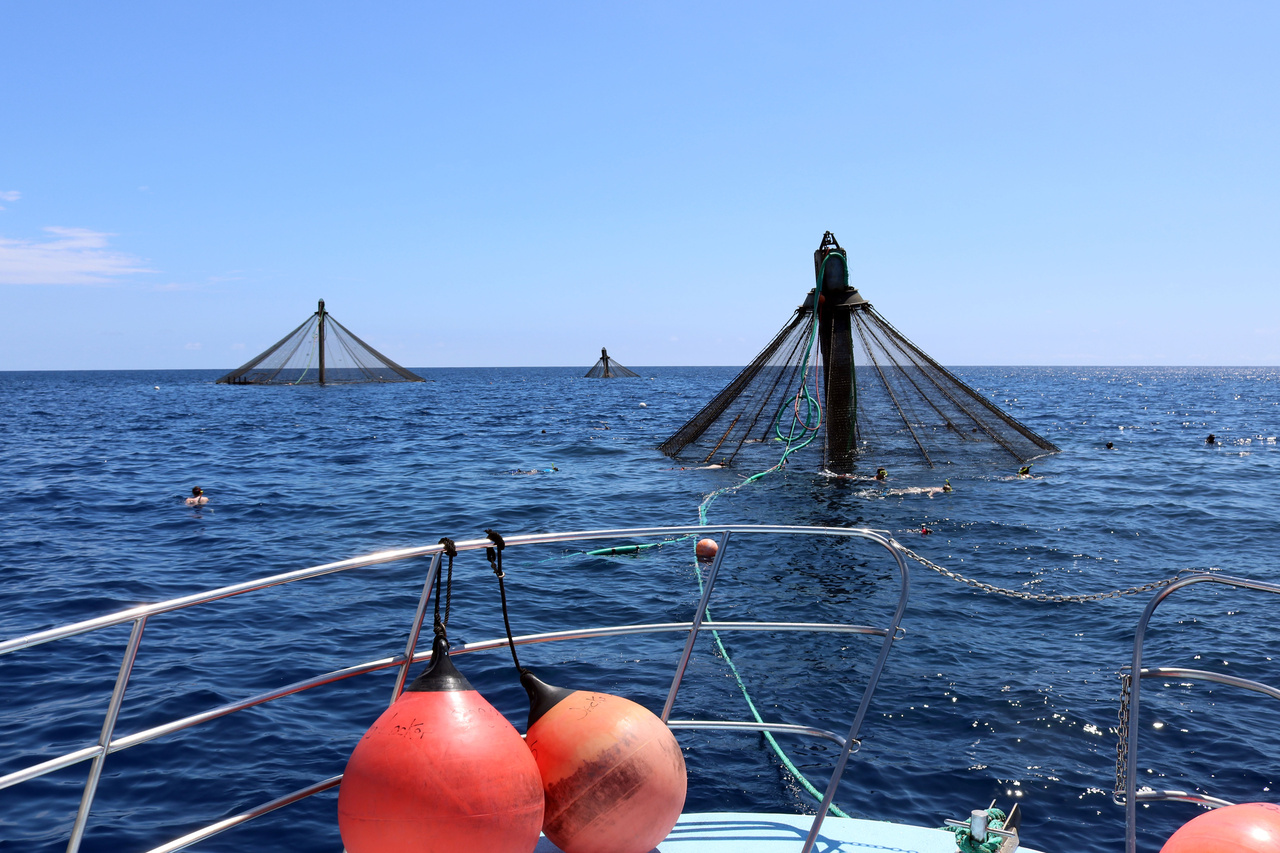
Letter to the Editor: AI Won’t Clean Up Industrial Fish Farms
In a letter to the editor at IntraFish, farm policy expert Anthony Pahnke says AI and automation won’t fix offshore aquaculture because the real problem is the industry’s intensive, industrial scale. He writes that AI tools like sensors and automated feeders mask the harmful impacts of factory-style aquaculture, which mirrors patterns seen in industrial agriculture: corporate consolidation, ecosystem destruction, mass …
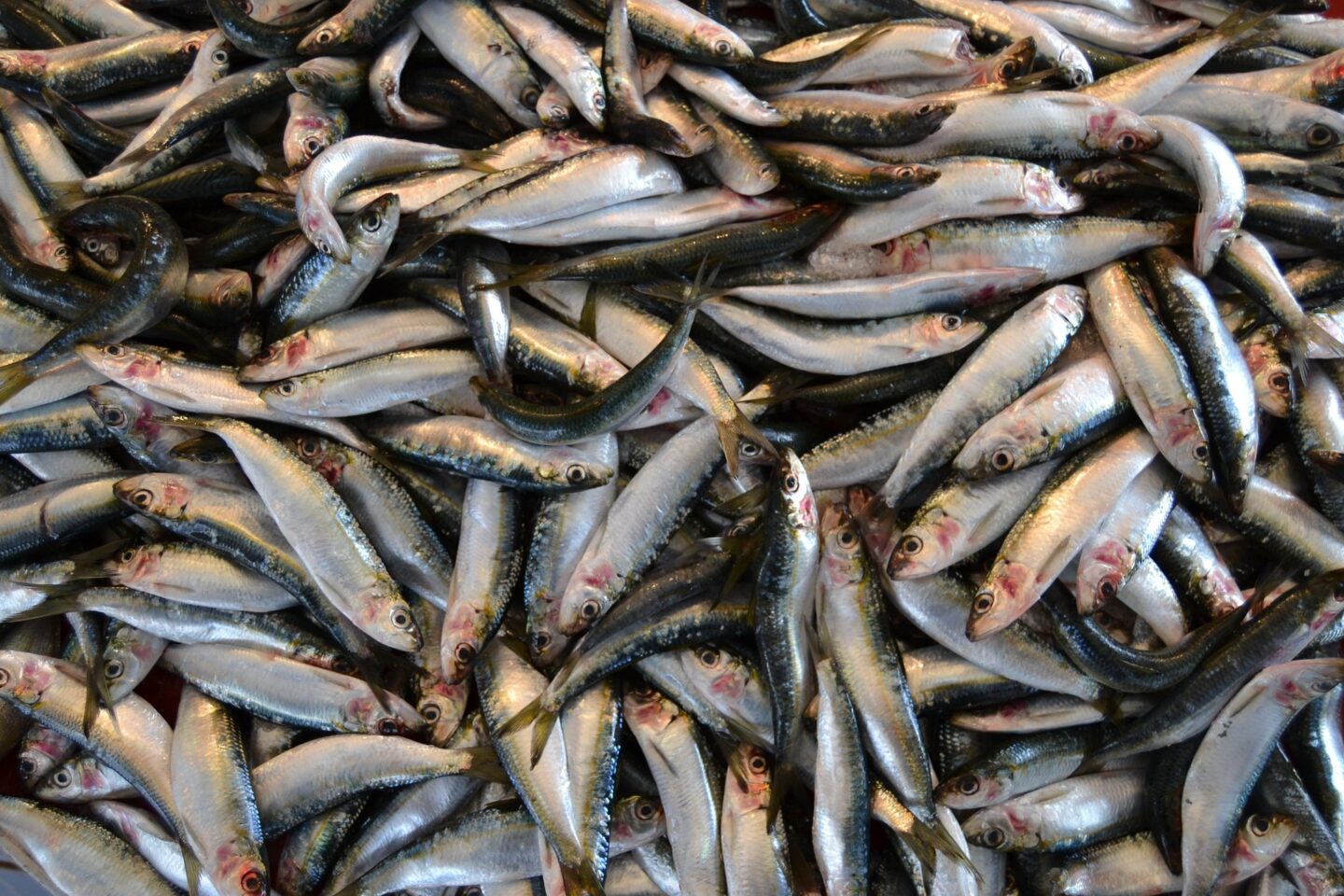
How the Fishmeal Industry Is Gutting West Africa’s Fisheries
For years, the public has been relentlessly fed the claim that farmed fish is the “sustainable” protein of the future, a message bankrolled by powerful aquaculture lobbies. But the real story behind this bluewashing? The world’s fish farming supply chain is wreaking havoc on West African shores: fueling ecosystem collapse, crushing food sovereignty, and wiping out people’s livelihoods. The global fishmeal, …

Court Ruling: Fast-Track Permit for Offshore Fish Farms Struck Down…for Good
The federal government has dropped its push to rubber stamp offshore fish farms, officially closing the chapter on a fast-track permit called Nationwide Permit 56 (NWP 56). Thanks to a successful legal challenge led by the Center for Food Safety, in partnership with Don’t Cage Our Oceans, Tribes, fishing organizations, and environmental advocates, we’re celebrating this major win. “It’s refreshing …
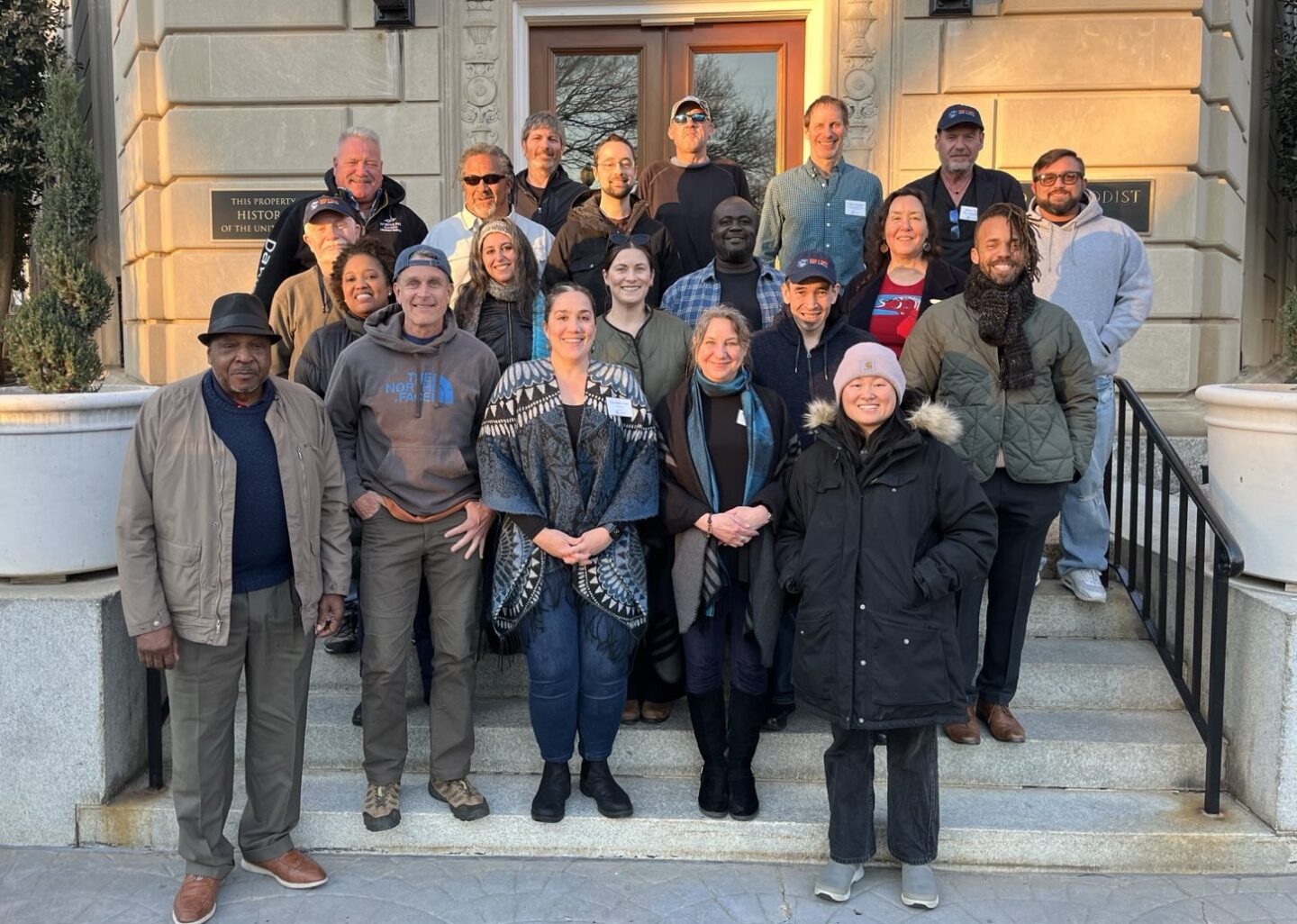
My First Fly-In: Fighting Industrial Aquaculture and Growing a Strong Coalition with Don’t Cage Our Oceans
by Haley SteinCommunications and Fundraising Coordinator, Inland Ocean Coalition Before diving into the whirlwind of strategy sessions, conversations, shared meals, and Hill visits that I took part in at the Don’t Cage Our Oceans (DCO2) fly-in in Washington, D.C., I want to share a bit about who brought us together. DCO2 is a growing coalition of organizations working to stop …